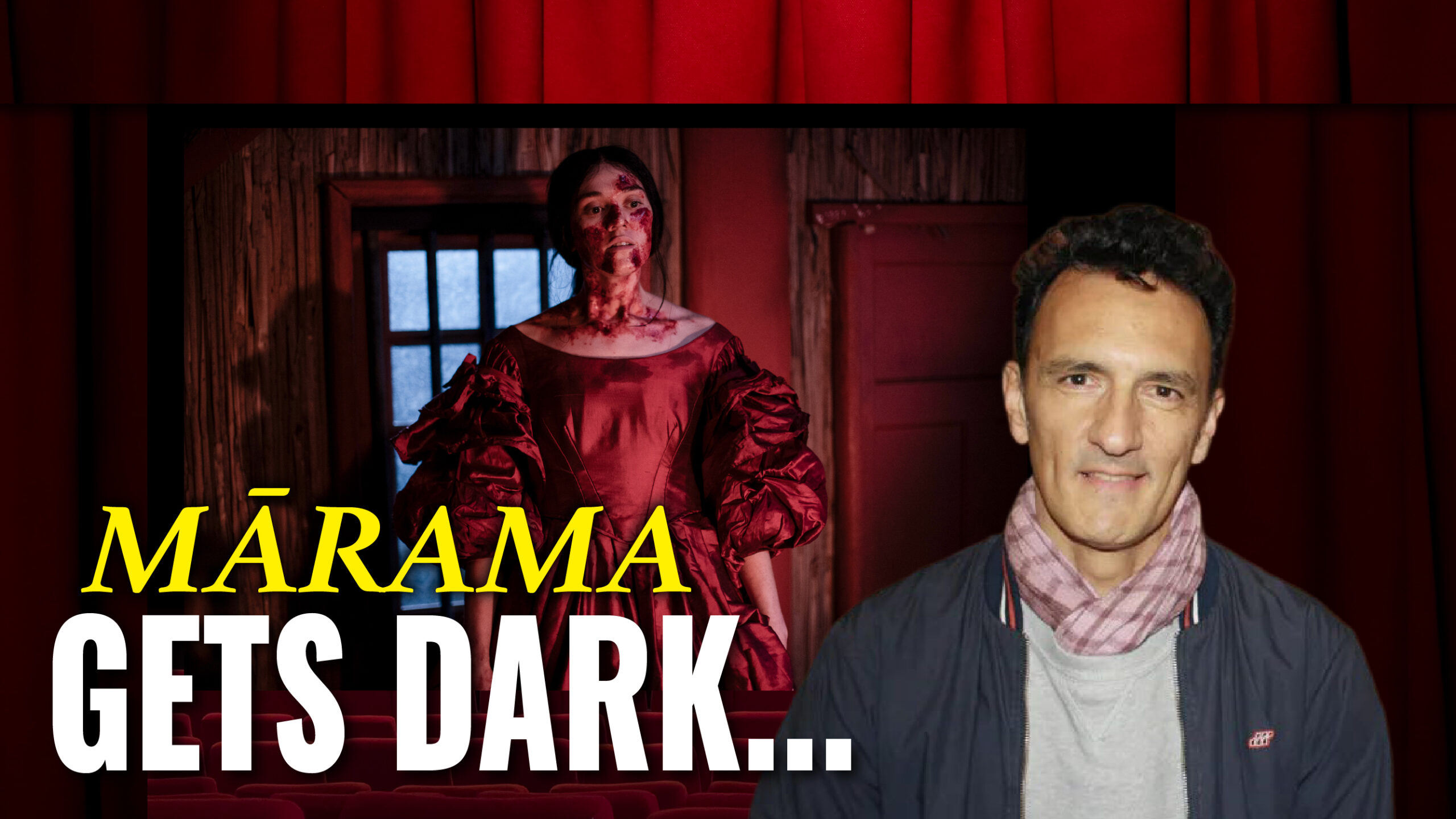
MARAMA — the haunting new film from New Zealand — is not easy to describe… and that’s exactly the point.
Filmmaker Taratoa Stappard calls it a “Māori Gothic ghost story.” One of its stars goes further: Jane Eyre on a bad acid trip.
What unfolds is something far more unsettling — and unforgettable.
Set in 1859, MARAMA follows a young Māori woman who journeys to England in search of her past… only to uncover a brutal truth tied to colonial violence, stolen culture, and a legacy that refuses to stay buried.
But this isn’t just a period drama. And it’s not just horror.
It’s a story of transformation, as its central character breaks free from the constraints of empire and reclaims her identity, her voice, and ultimately, her power.
At the center is a breakout performance by Ariāna Osborne — raw, physical, and fearless — anchoring a film that builds toward something both terrifying and deeply cathartic.
What makes MARAMA hit differently is that it’s personal. Stappard draws from his own Māori and English heritage to tell a story about a history that isn’t past — and the cost of finally confronting it.
It’s bold. It’s provocative. And it’s unlike anything else in the current film landscape.
We sat down with Taratoa Stappard to talk about the origins of the film, the risks he took, and why this story needed to be told now.
Listen to the conversation on INSIDE THE ARTHOUSE — starting now.